Cesarean Scar Physiotherapy in Leaside, Toronto
Releasing C-Section Scars
Postpartum recovery issues from c-section scars? If you're part of the one-third of Canadian women who deliver via cesarean section and are unsure about post cesarean section scar recovery, you're not alone. Experienced pelvic floor physiotherapists provide safe, effective cesarean scar release therapy to alleviate pain, improve core strength and mobility. Book your assessment now.
Impact of a Cesarean Section Scar on the Body

Understanding Cesarean Section Recovery: Pain, Mobility Issues, and Long-Term Effects
A cesarean section (C-section) involves cutting through seven layers of tissue, which can lead to various complications and discomforts during recovery. Here’s what you need to know about potential issues:
Post-Surgical Pain and Limited Mobility: Following a C-section, you may experience pain along the incision site and difficulty with daily activities such as walking or lifting your baby. This discomfort can be due to both the surgical cut and potential internal scar tissue.
Impact on Daily Activities: The recovery process can affect your ability to perform routine tasks. Pain and restricted movement can make simple activities challenging, affecting your quality of life.
Internal Adhesions and Discomfort: Scar tissue from a C-section may form internal adhesions, which can cause discomfort during menstruation or ovulation. Adhesions may also adhere to organs like the bladder or intestines, leading to additional issues.
Unexpected Sensations: Some women experience unexpected pain or sensations not only at the incision site but also above or below it, due to internal scar tissue.
Bladder Urgency and Pain During Intercourse: The pelvic floor muscles might tighten as a protective response after surgery, which can lead to bladder urgency or discomfort during intercourse.
Chronic Pain and Posture Issues: Research indicates that approximately 40% of women with C-section scars may experience chronic back pain, and about 20% may suffer from shoulder or neck pain. This is often due to surrounding muscle tension and restricted blood flow. Additionally, a cesarean section can negatively impact core strength and posture.
Emotional and Psychological Impact: The experience of a C-section can also affect your emotional well-being, potentially locking in traumatic feelings and heightening stress responses.
Proper cesarean scar release care by a trained scar-release physiotherapist can significantly help with these symptoms!
Effective Cesarean Scar Release Therapy with The Dolphin Microcurrent Device at Revival Physio
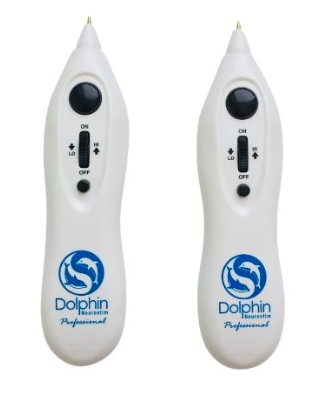
Benefits of the Dolphin Microcurrent Device:
Faster healing — delivering micro-current directly to the cesarean scar to support the tissue repair process
Reduced belly shelf — minimizing the tissue overhang commonly seen after a C-section
Improved sensation — many clients report reduced numbness and better feeling along the scar
Less pain and tightness — the microcurrent therapy works alongside manual scar massage to relieve tension in the affected area
Most clients notice more than 50% improvement in scar sensation and movement after a single session, with minimal discomfort during treatment. You can read more about Microcurrent Point Stimulation research via Dolphin Neurostim, and this approach to section scar healing has also been covered by Today's Parent and the International Journal of Complementary & Alternative Medicine.
How Revival Physio Helps You
1. Relieve pain and tension from C-section scars Through hands-on scar massage and our Dolphin Scar Release tool, we work to break up adhesions and restore mobility and flexibility in the affected area — leaving you more comfortable and confident in your body.
2. Regain mobility and function after surgery Tight hips, limited range of motion, or lower back pain linked to your scar can ease as we loosen the scar tissue and surrounding muscles, helping you move freely again within just a few sessions.
3. Improve the appearance of your scar Scar mobilization and the Dolphin device can help flatten and soften raised or thickened scar tissue and improve blood flow to the area — often reducing redness, thickness, and visibility over time.
4. Support a faster, fuller recovery after C-section birth We treat the whole postpartum body, not just the incision — addressing diastasis recti, pelvic floor dysfunction, and postural imbalances so you recover more completely, not just around the scar itself.
5. Work one-on-one with an experienced physiotherapist Your care is delivered by pelvic floor physiotherapists trained specifically in scar release and postpartum recovery, with a personalized plan built around your goals and your timeline.
Cesarean Scar Healing Tips by Stage
First 4 weeks (incision care):
Prioritize rest to support wound healing
Wash gently with mild soap and water — no scrubbing
Use stretchy sports tape to lift the belly shelf and keep the scar dry, reducing infection risk
Consider compression panties or an abdominal wrap to reduce stress on the area
Support your abdomen with a pillow when coughing or sneezing
Practice gentle belly breathing to release pelvic floor tension
Avoid strenuous activity, baths, swimming, or lifting anything heavier than your baby
Get in and out of bed from your side, using your arms for support
4–6 weeks (early scar care):
Introduce gentle mobility work like cat-cow stretches and light torso twists
Consider silicone sheets or gel over the scar to help prevent keloid formation
Begin gently desensitizing the scar with soft textures (a makeup brush, silk) before progressing to rougher ones, like a towel
After 6 weeks (active scar healing):
Book an assessment with a pelvic floor physiotherapist who specializes in cesarean scar release
Get checked for abdominal separation, scar condition, and pelvic floor function
Consider the Dolphin Microcurrent Device for targeted scar healing and pain reduction
Follow up with manual scar massage or cupping as needed for deeper tissue release
Key Points to Remember
After a cesarean section, pain, reduced mobility, and internal adhesions are common.
The pelvic floor can tighten protectively after surgery, contributing to bladder urgency or discomfort during intercourse.
Rest and proper precautions in the first 6 weeks are essential for healthy section scar healing.
Once your scar is over 6 weeks old, a pelvic floor physiotherapist can provide a full assessment and treatment — including Dolphin device therapy — for the affected area.
Cesarean Section Scar Release Therapy
-
1. C-Section Scar Assessment
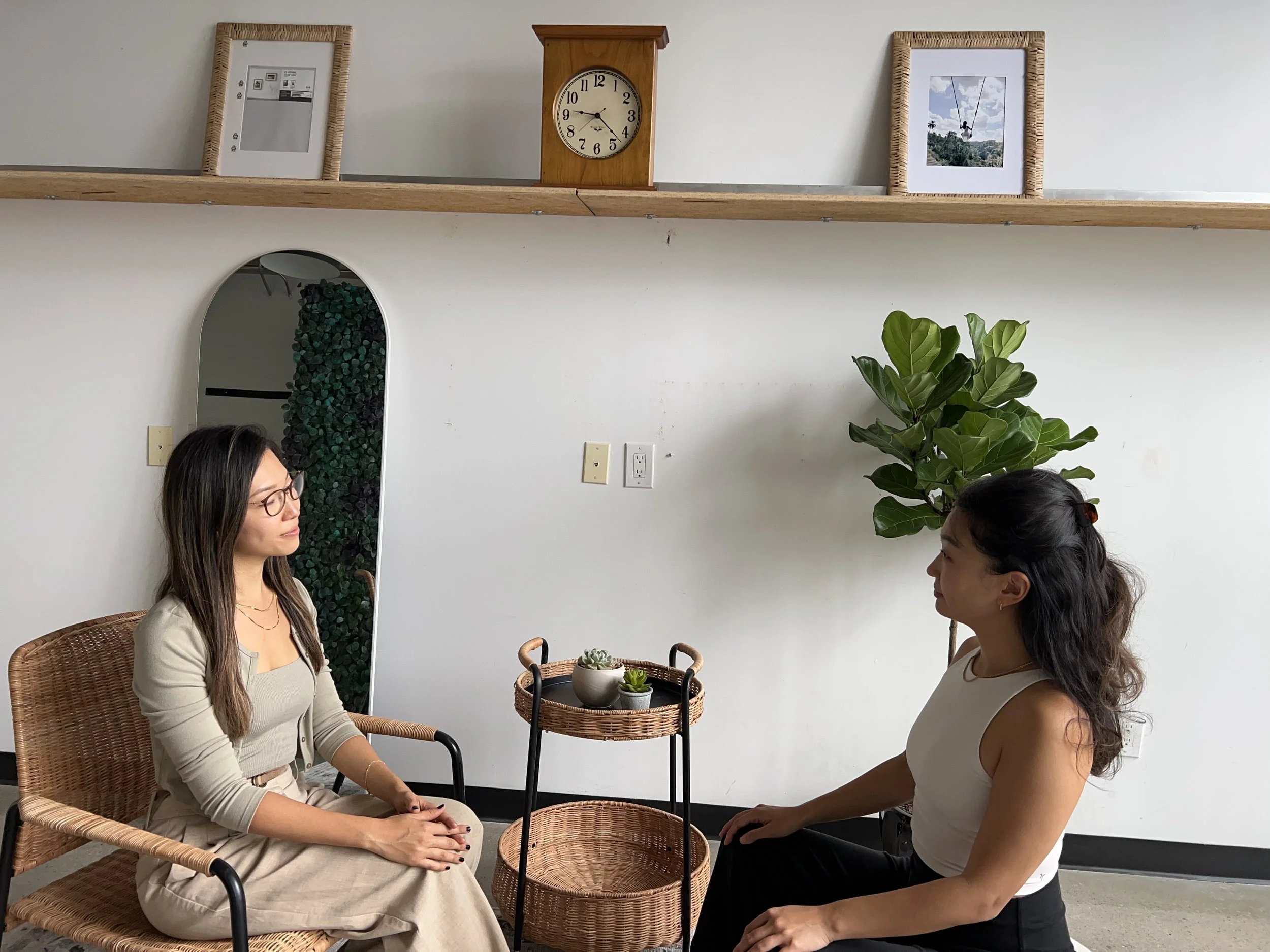
We take a thorough birth history, then assess the scar both visually and through touch — checking pain level, tenderness, mobility, flexibility, skin integrity, and adhesions. Your core is also assessed for abdominal separation (DRA).
-

2. C-Section Scar Treatment
Sessions combine the Dolphin Neurostim device, cupping, and soft tissue release with core strengthening exercises and postural education, along with guidance on releasing scar tissue at home between visits.
-

3. C-Section Scar Maintenance
Once your scar is fully released, you shouldn't feel a "pulling" sensation during normal activity — we'll confirm this and set you up with maintenance guidance as needed.
Frequently Asked Questions
-
We recommend booking your cesarean scar assessment 6 weeks or later postpartum, once initial healing from the surgical procedure has progressed.
-
Most clients achieve full cesarean scar release within 4–6 follow-up visits.
-
Yes. We've treated scars that are 5, 10, even 15 years old, and scar massage and release therapy remains genuinely beneficial regardless of how old the scar is.
-
Most clients notice an immediate difference in how the scar feels and moves after their very first session.
-
Yes — this treatment is covered under standard physiotherapy insurance benefits.
-
Scar massage helps break up adhesions between the skin, fascia, and underlying tissue that form as the body heals from a surgical procedure. This can reduce tightness and pulling sensations, improve mobility in the affected area, and support better sensation over time.