Diastasis Recti (Ab Separation) Physiotherapy in Leaside, Toronto | Revival Physio
Learn how to fix diastasis recti with guidance from a physical therapist. Understand causes, how to self-check for ab separation, and treatment options at our Leaside, East York clinic.
Diastasis Recti: Causes, Self-Check, and How to Fix It
What Is Diastasis Recti?
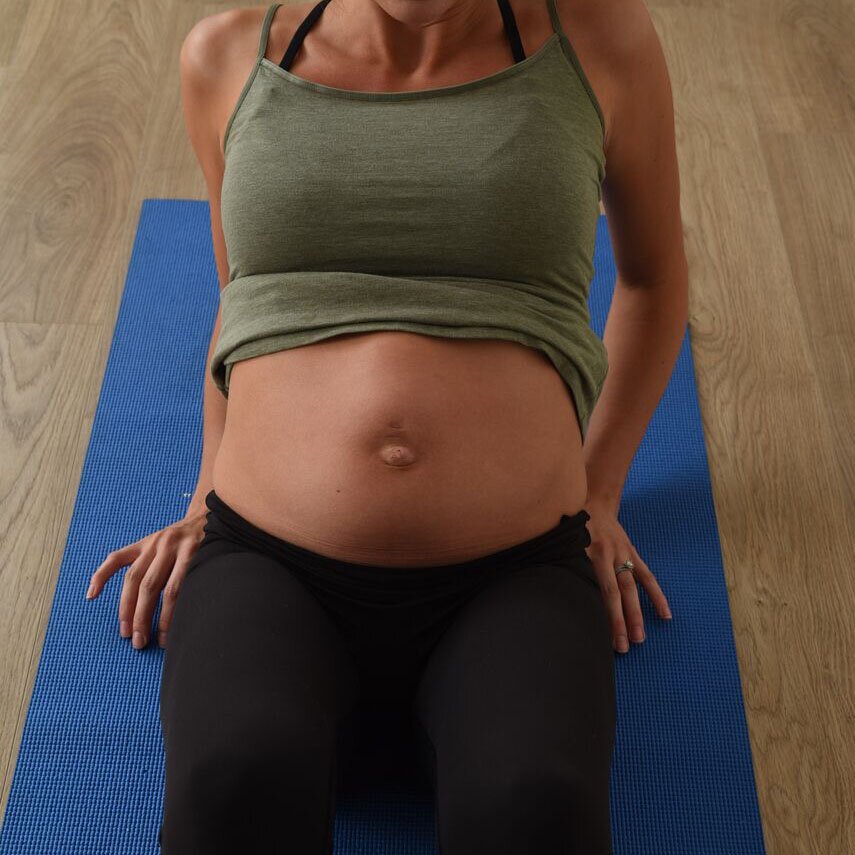
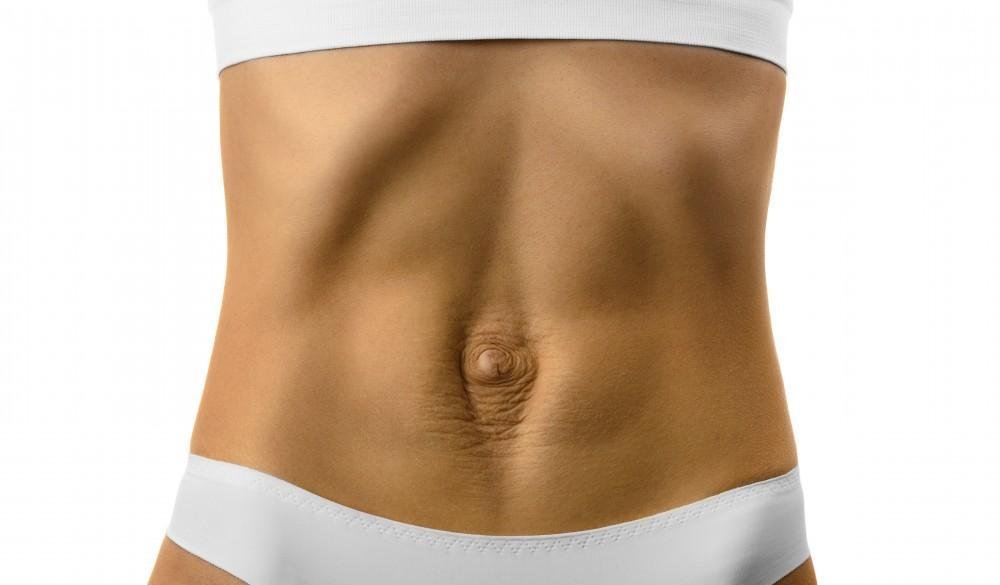
Diastasis recti — commonly called ab separation — occurs when the rectus abdominis muscles (your "six-pack" muscles) separate along the linea alba, the band of connective tissue that runs down the center of your abdomen. This widening typically develops during pregnancy, as the growing uterus stretches the abdominal wall and places tension on the tissue connecting the left and right sides of your core. It can show up as a dome or bulge down the midline of your stomach when you engage your abs.
A physical therapist plays a key role in helping you fix diastasis recti — assessing how significant the separation is, teaching you safer movement patterns, and building an exercise program specific to restoring core strength and stability.
How to Self-Check for Ab Separation
You can get a general sense of whether you have diastasis recti with this simple at-home check:
Lie on your back with your knees bent and feet flat on the floor.
Place your fingers just above your belly button.
Lift your head and shoulders slightly off the floor and feel for a gap between the left and right sides of your rectus abdominis muscles.
Repeat the check just below your belly button.
If the gap measures more than one finger width above or below your belly button, you may have diastasis recti.
This self-check is a useful starting point, but it isn't a substitute for a hands-on assessment — a physical therapist can confirm the degree of separation along the linea alba and check for related issues like back pain or pelvic instability.
How Physiotherapy Helps Fix Diastasis Recti
1. Assessment A physical therapist at Revival Physio performs a thorough evaluation of the gap along your linea alba and any related symptoms, such as low back pain or pelvic floor dysfunction.
2. Education You'll learn what's driving your ab separation and how posture and movement habits can either support healing or make the separation worse.
3. Targeted Exercises Treatment focuses on strengthening the deep core — particularly the transverse abdominis — while avoiding traditional crunches or movements that spike intra-abdominal pressure and put unnecessary strain on the rectus abdominis muscles.
4. Breathing Techniques Diaphragmatic breathing helps you engage your core muscles correctly and coordinate the left and right sides of your abdominal wall as they heal.
5. Progressive Loading Exercises are gradually progressed as your strength and control improve, so your recovery stays safe and effective.
6. Functional Training We help you return to daily activities, sport, and exercise with a core that's genuinely stabilized — not just visually "closed."
Early, guided treatment makes a real difference, especially for postpartum patients looking to fix diastasis recti and prevent longer-term complications.
What Increases the Risk of Diastasis Recti?
Abdominal muscles that are very strong and create excessive tension across the midline
More than one pregnancy
A shorter torso length
Carrying twins or triplets
Being over the age of 35
Preventing Ab Separation During the Second Half of Pregnancy
Get on and off the bed by rolling to your side rather than sitting straight up
Avoid lifting weights overhead
Avoid curl-ups, V-sits, front planks, and bicycle crunches — movements that overly engage your rectus abdominis and oblique muscles
Follow a pregnancy-specific deep core program (provided you don't have pelvic floor tension)
What to Do in the First 6 Weeks Postpartum
Continue getting on and off the bed from your side
Choose an ab wrap designed to gently lift the pelvic and lower abdominal area — not a waist trainer — and stop using it if it increases leaking or pressure
Avoid lifting anything heavier than your baby
When lifting, exhale through your mouth while imagining you're drawing your belly button toward your spine, engaging your deep core muscles to reduce stress on the separation
Practice gentle deep core breathing starting around 1 week postpartum: inhale and let your belly open, then exhale slowly — as if blowing through a straw — while drawing your belly button toward your spine. Repeat roughly 30 times a day.
For some people, the gap along the linea alba narrows on its own within the first 6 weeks postpartum. For others, it doesn't: research suggests up to one-third of postpartum women still have some degree of abdominal separation a year after giving birth.
After 6 Weeks Postpartum
At around 6 weeks postpartum, it's worth booking an assessment with one of our pelvic floor physiotherapists to get an individualized deep core program designed to fix diastasis recti for your specific case. Pushing into core exercises that are too advanced — or training around unaddressed pelvic floor tension — can make symptoms worse rather than better.
Key Takeaways
Diastasis recti is a separation of the rectus abdominis muscles along the linea alba, most often caused by the stretch of pregnancy and postpartum recovery.
A simple finger-width self-check can flag possible ab separation, but a physical therapist's assessment gives you a clear, individualized picture.
Check for pelvic floor tension before starting corrective core exercises — deep core work also engages the pelvic floor and can aggravate existing tension.
A gentle, early postpartum exercise — diaphragmatic breathing paired with drawing the belly button toward the spine on the exhale, repeated about 30 times a day — is a safe way to start supporting recovery.
Ready to start treating your ab separation? Book an Initial General Physio or Initial Pelvic Floor Physio Assessment (including an internal exam) with one of our pelvic floor physiotherapists at Revival Physio today.
Frequently Asked Questions
-
Lie on your back with your feet flat on the floor, place your fingers above and below your belly button, lift your head and shoulders slightly, and feel for a gap between the left and right sides of your rectus abdominis muscles. A gap wider than one finger width may indicate diastasis recti, though a physical therapist can confirm this with a hands-on assessment.
-
Yes. Most cases of diastasis recti can improve significantly with targeted physiotherapy, including deep core strengthening, diaphragmatic breathing, and progressive loading guided by a physical therapist. Surgery is typically considered only in persistent, severe cases.
-
You can begin gentle core breathing exercises as early as 1 week postpartum. For an individualized assessment and exercise program, it's generally recommended to see a pelvic floor physiotherapist around 6 weeks postpartum.
-
Avoid traditional crunches, V-sits, front planks, and bicycle exercises, as these increase intra-abdominal pressure and can widen the gap along the linea alba rather than helping to close it
-
Revival Physio, located in Leaside (East York), Toronto, offers physiotherapy assessments and treatment plans specifically for diastasis recti and ab separation, led by our pelvic floor physiotherapists.